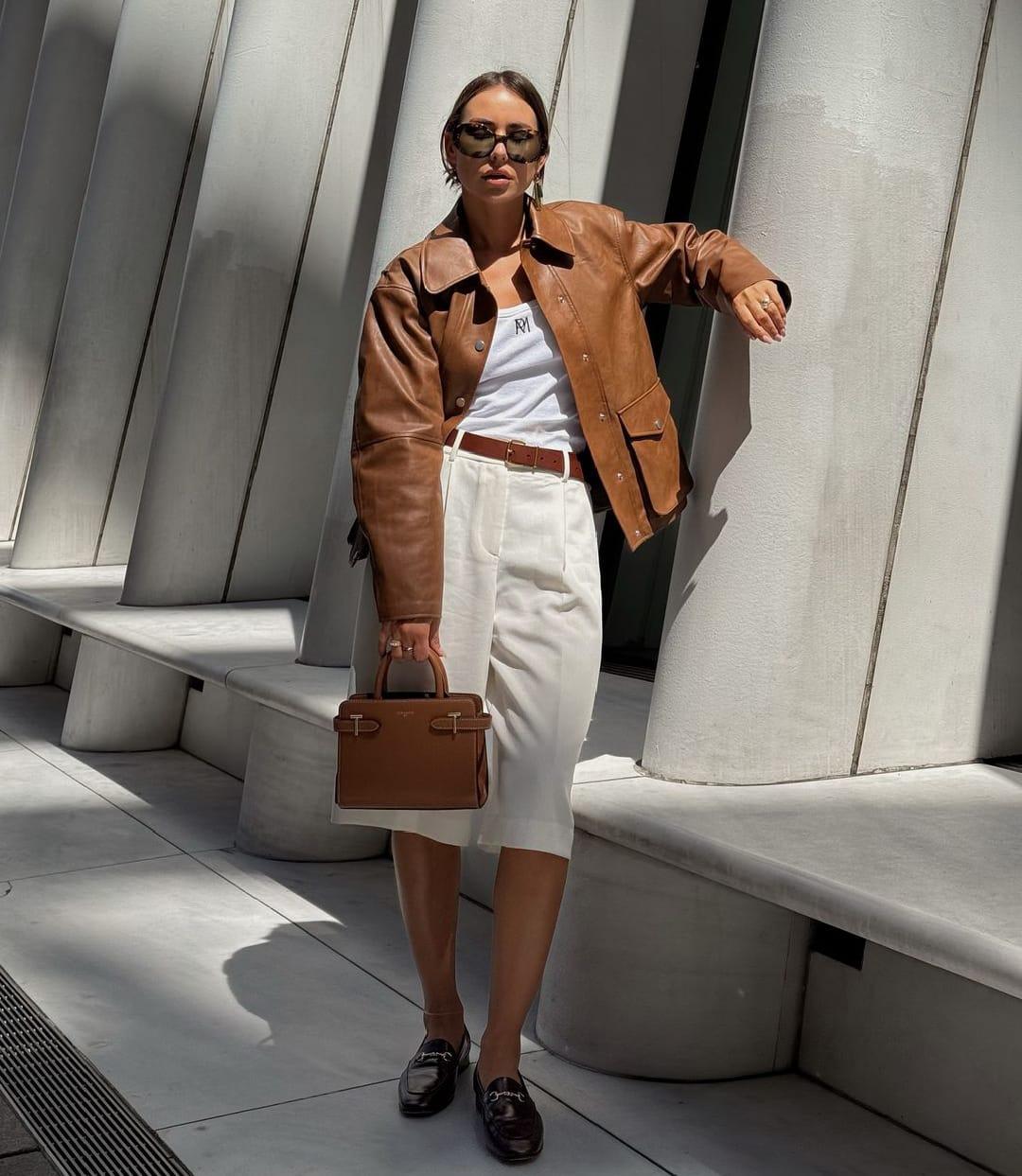
Fashion has always reflected cultural change, but few shifts have been as transformative as the rise of gender-fluid fashion narratives. Once confined to niche subcultures or avant-garde circles, gender-expansive style has entered mainstream conversations across runways, retail, and digital platforms. Today, clothing increasingly functions as a language of identity rather than a marker of rigid categories.
The evolution of gender-fluid fashion tells a broader story about social transformation. It reveals how designers, artists, celebrities, and everyday wearers have challenged expectations and expanded definitions of masculinity and femininity across generations.
Understanding Gender-Fluid Fashion
Gender-fluid fashion refers to clothing that resists traditional distinctions between “menswear” and “womenswear.” Rather than assigning garments to specific identities, this approach emphasizes expression, comfort, and individuality.
Key characteristics often include:
- Relaxed tailoring and adaptable silhouettes
- Neutral or mixed color palettes
- Styling that blends traditionally masculine and feminine elements
- Versatile garments designed for multiple body types
- Emphasis on personal interpretation rather than rules
Importantly, gender-fluid fashion is not a trend limited to a single aesthetic. It represents a broader shift in how society understands identity and self-presentation.
Historical Roots of Gender-Fluid Expression in Dress
Although the language surrounding gender-fluidity is relatively modern, the practice of challenging clothing norms has deep historical roots.
Across centuries, clothing conventions changed frequently depending on region and class. For example:
- European aristocratic men once wore lace, silk stockings, and heels
- Women adopted trousers during wartime necessity
- Indigenous cultures worldwide maintained traditions outside Western binary dress codes
Fashion categories only became strictly gendered during industrialization, when standardized clothing production reinforced rigid distinctions.
Understanding this history reveals that gender-fluid fashion is not a new invention. Instead, it represents a return to flexibility that existed long before modern retail systems defined wardrobes by gender.
Counterculture Movements and the Rise of Androgyny
The twentieth century marked a turning point in gender-fluid fashion narratives. Counterculture movements used clothing to question authority, identity, and social expectations.
During the 1960s and 1970s, youth culture embraced experimentation. Designers and musicians blurred boundaries between masculine and feminine silhouettes, helping normalize androgynous aesthetics.
Figures such as David Bowie used theatrical styling to disrupt expectations. His stage personas demonstrated that fashion could become a powerful vehicle for identity transformation.
Similarly, feminist movements encouraged women to adopt trousers and structured tailoring as symbols of independence. These shifts did not eliminate gender distinctions entirely, but they widened the possibilities available to wearers.
The Influence of Designers Who Challenged Fashion Norms
Several influential designers helped reshape how the industry approached gender and clothing structure.
Late twentieth-century fashion innovators introduced silhouettes that ignored traditional tailoring rules. Many experimented with:
- oversized proportions
- neutral color palettes
- layered styling techniques
- hybrid garment construction
Designers working in avant-garde fashion communities encouraged audiences to reconsider the idea that clothing must reflect biological categories.
Later, luxury houses such as Gucci began presenting runway collections featuring fluid styling across menswear and womenswear lines, further pushing the conversation into global mainstream markets.
Celebrity Culture and the Expansion of Visibility
Celebrity influence accelerated public acceptance of gender-fluid fashion narratives. When widely recognized figures adopt boundary-crossing styles, audiences often reconsider assumptions about clothing norms.
Artists like Harry Styles helped normalize garments such as pearl necklaces, flowing blouses, and tailored skirts within contemporary menswear conversations. His styling choices demonstrated that fashion experimentation could exist alongside commercial success.
Meanwhile, actors such as Billy Porter used red-carpet appearances to challenge expectations surrounding formalwear. These moments expanded public understanding of what elegance could look like outside traditional categories.
Celebrity participation did not create gender-fluid fashion, but it amplified its visibility across global audiences.
Street Style and Everyday Expression
While runways and celebrities attract attention, everyday fashion communities have played an equally important role in shaping gender-fluid narratives.
Street style photography revealed how individuals reinterpret garments outside retail categories. Oversized blazers, layered skirts over trousers, and neutral-toned tailoring began appearing across urban fashion scenes long before many brands adopted inclusive sizing and styling frameworks.
Digital platforms accelerated this transformation. Social media allowed independent creators to share styling experiments without waiting for approval from traditional fashion institutions.
As a result, gender-fluid fashion shifted from elite spaces to everyday wardrobes.
Retail Transformation and the Rise of Inclusive Collections
Retailers gradually responded to changing consumer expectations by introducing more flexible product categories.
Key developments included:
- gender-neutral sizing systems
- shared retail spaces rather than separated departments
- capsule collections designed for broad body diversity
- marketing campaigns centered on individuality
These shifts signaled recognition that customers increasingly value expression over categorization.
Although not every brand has fully embraced inclusive design strategies, the direction of change remains clear across both independent labels and global fashion corporations.
Cultural Conversations and Identity Representation
Gender-fluid fashion also intersects with broader conversations about identity representation. Clothing often becomes a visible expression of personal authenticity.
As language surrounding identity evolves, fashion plays a supporting role by offering:
- adaptable silhouettes
- expressive styling tools
- alternative formalwear options
- visibility for underrepresented communities
Importantly, gender-fluid fashion does not belong exclusively to any single identity group. Instead, it creates space for multiple forms of self-expression across diverse experiences.
This openness helps explain why the movement continues expanding beyond niche fashion circles.
Technology and the Digital Future of Gender-Fluid Fashion
Digital innovation is reshaping how fashion communicates identity flexibility.
Virtual styling platforms now allow users to experiment with silhouettes without physical constraints. Online retail interfaces increasingly avoid labeling clothing by gender categories, encouraging exploration instead of restriction.
Artificial intelligence styling assistants and digital avatars also support identity experimentation in virtual environments. These tools allow individuals to test fashion identities before translating them into physical wardrobes.
As digital and physical fashion ecosystems merge, gender-fluid styling will likely become even more accessible.
Sustainability and the Practical Value of Fluid Design
Gender-fluid fashion also aligns closely with sustainability goals. Flexible garments often extend usability across seasons, styles, and body changes.
Benefits include:
- reduced wardrobe duplication
- longer garment lifespans
- fewer impulse purchases
- improved adaptability across occasions
Consumers increasingly recognize that versatile clothing supports both personal expression and responsible consumption.
As sustainability becomes central to fashion’s future, gender-fluid design principles may become standard rather than experimental.
The Future of Gender-Fluid Fashion Narratives
Looking ahead, gender-fluid fashion will likely continue evolving alongside cultural change.
Emerging developments may include:
- adaptive tailoring technologies
- broader size inclusivity
- customizable garment structures
- digital-first fashion identities
- expanded representation in global fashion campaigns
Rather than replacing traditional fashion categories entirely, gender-fluid styling expands available choices. It allows individuals to move between aesthetics rather than remain confined within them.
This flexibility reflects a larger shift toward identity-centered design thinking across the fashion industry.
Frequently Asked Questions
What makes gender-fluid fashion different from unisex fashion?
Gender-fluid fashion focuses on expression beyond categories, while unisex fashion typically offers simplified garments designed to fit multiple body types without emphasizing identity exploration.
Can gender-fluid fashion exist within traditional dress codes?
Yes. Many people incorporate gender-fluid styling into professional wardrobes through tailoring choices, color combinations, and layering strategies that subtly challenge expectations.
Is gender-fluid fashion only popular among younger generations?
While younger audiences often adopt it quickly, interest spans all age groups. Many adults embrace flexible styling as comfort and identity awareness evolve.
Does gender-fluid fashion require buying entirely new clothing?
Not necessarily. Many people create gender-fluid wardrobes by restyling existing garments in new combinations rather than replacing everything they own.
How do designers approach gender-inclusive sizing?
Designers increasingly develop adaptable patterns that consider diverse body proportions rather than relying solely on traditional male or female measurement systems.
Is gender-fluid fashion limited to neutral colors?
No. While neutral palettes are common, vibrant colors and decorative details also play important roles in expressive styling.
How might workplaces respond to gender-fluid fashion in the future?
Many organizations are already updating dress policies to emphasize professionalism rather than gender expectations, suggesting continued movement toward flexible workplace styling standards.
