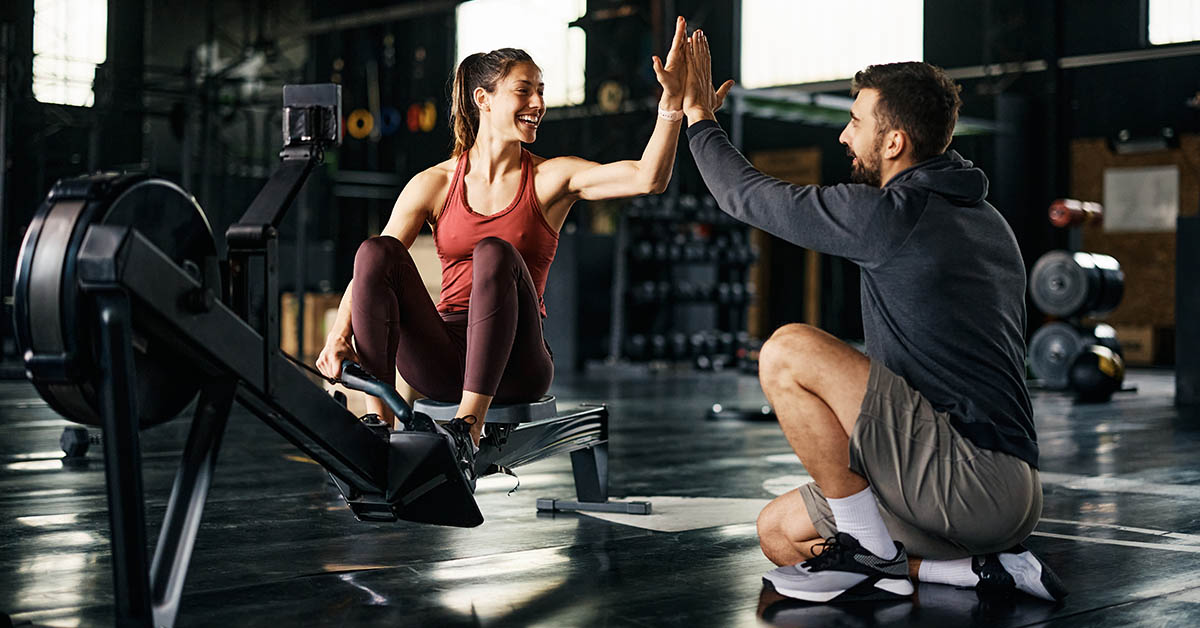
In a service profession where first impressions carry significant commercial weight, the visual presentation of a personal gym trainer shapes client perceptions before a single word is spoken or a programme designed. Singapore’s fitness industry has matured to a point where the most professional practitioners understand that their appearance, including the quality and condition of their training attire, the coherence of their professional presentation, and the signals their visual choices communicate, is part of the professional service they deliver. For clients evaluating personal gym trainer singapore professionals before committing to a coaching relationship, these visual signals provide meaningful information about the trainer’s professional standards.
Why Appearance Communicates Professional Standards
The relationship between professional appearance and perceived competency is well-documented in service industry research. Clients form initial quality assessments within seconds of encountering a new service professional, and these assessments are disproportionately influenced by visual presentation before any direct interaction occurs. In the personal training context, these snap assessments have meaningful consequences because clients are making decisions about physical trust, placing their bodies and health goals in the care of someone they are evaluating in real time.
A personal gym trainer whose presentation is consistently professional, whose training attire is appropriate to the role, well-maintained, and coherently presented, signals discipline, attention to detail, and investment in their professional identity. These signals may seem peripheral to coaching competency, but they carry genuine predictive value because the same personal discipline that produces consistent professional presentation tends to produce consistent professional preparation in programme design, continuing education, and client management.
Trainer Attire as Functional Signalling
The clothing choices of Singapore’s professional personal gym trainers serve both functional and communicative purposes simultaneously. Functionally, trainer attire needs to allow full demonstration of the movement patterns they teach, provide appropriate coverage during physical correction and adjustment, manage perspiration effectively in a working environment where physical output is expected, and reflect the professional context of a premium training environment.
The Demonstration Function
A trainer who cannot demonstrate exercises comfortably in their attire is limited in their coaching delivery. Shorts that restrict hip hinge range, shirts that limit overhead arm position demonstration, and footwear that affects movement demonstration quality all compromise the teaching tool that physical demonstration represents. Singapore’s most professional gym trainers select attire specifically for functional range of motion, ensuring that their clothing amplifies rather than limits their coaching effectiveness.
Brand Coherence and Facility Alignment
Personal gym trainers operating within premium Singapore facilities typically work within attire guidelines established by the facility. These guidelines create visual coherence across the trainer team that reinforces the premium positioning of the facility and provides clients with a clear visual identification of professional staff. Trainers who present within these guidelines consistently signal alignment with the professional standards of the facility they represent.
Independent trainers or those with more personal presentation latitude face the more complex challenge of developing a coherent personal professional aesthetic that communicates their specific coaching identity and client positioning. The most successful independent trainers in Singapore develop a consistent visual identity that becomes recognisable and reinforces their brand positioning in a market where visual differentiation is commercially valuable.
The Conditioning Demonstration Effect
Beyond attire, the physical condition of a personal gym trainer communicates something about their relationship with their own practice. Clients in Singapore consistently report that visible evidence of a trainer’s personal commitment to the physical disciplines they teach increases their confidence in the trainer’s coaching authority.
This does not mean trainers must achieve extreme physique development. It means that physical presentation that is clearly consistent with regular structured exercise demonstrates authentic personal engagement with the training practices being recommended to clients. A trainer who clearly trains their own body communicates that the guidance they provide is tested through personal practice rather than theoretical application only.
True Fitness Singapore maintains professional presentation standards for its personal training team that reflect the premium positioning of the facility and communicate the professional quality that clients are investing in. True Fitness Singapore creates an environment where trainer presentation is part of a coherent professional standard that clients can assess alongside programme quality and coaching competency.
FAQs
Q. – I notice some personal gym trainers in Singapore wear very casual attire during sessions. Does this indicate a less professional approach?
Ans. – Not necessarily, though it can. Attire casualness alone is not a reliable competency indicator because some excellent trainers prioritise functional comfort and work in facilities with relaxed presentation standards. The more reliable quality indicator is consistency: a trainer whose presentation is consistently appropriate to their professional role, whatever the specific style, signals the same discipline in professional preparation that consistent attire requires. Significant inconsistency in presentation, where a trainer appears very differently across sessions without clear reason, is a more meaningful signal of variable professional attention.
Q. – Should I consider how a personal trainer presents their social media presence when evaluating their professionalism?
Ans. – Social media presence is increasingly relevant to evaluating trainer professionalism in Singapore’s connected fitness market. A professional social media presence that demonstrates coaching knowledge, shares evidence-based content, and presents the trainer’s work with appropriate professionalism reinforces professional credibility. Social media content that is inconsistent with professional values, that makes unsubstantiated health or performance claims, or that prioritises personal image over coaching substance provides useful information about the trainer’s professional orientation and judgment.
Q. – Does it matter whether my personal gym trainer in Singapore looks like they train themselves?
Ans. – It matters in the confidence dimension of the coaching relationship rather than as a direct indicator of coaching competency. A trainer whose physical condition reflects personal engagement with structured exercise demonstrates authentic practice of what they prescribe. However, exceptional coaches with medical conditions, recovery contexts, or other circumstances that affect their current physical condition can still deliver outstanding coaching. Physical presentation is one data point among many in a comprehensive trainer evaluation, not a standalone quality indicator.
Q. – How should I interpret a personal gym trainer who sells branded merchandise or clothing lines?
Ans. – Trainer-branded merchandise represents a business extension that many successful Singapore fitness professionals develop as part of their professional identity. The key evaluation is whether the commercial activity enhances or detracts from the coaching relationship quality. Merchandise that reflects genuine professional values and is marketed honestly is a neutral to positive signal of professional ambition. Merchandise that creates conflicts of interest in product recommendations or that prioritises commercial activity over coaching quality is a more significant concern.
Q. – Is there a difference in how male and female personal gym trainers in Singapore approach professional presentation?
Ans. – Gender-related differences in professional presentation norms exist across most professional contexts in Singapore, and fitness training is no exception. Both male and female trainers in Singapore’s premium gym environments generally adopt presentation standards that balance functional training requirements with the professional context of a premium service environment. The evaluation standard should be consistent regardless of gender: does the trainer’s presentation reflect consistent professional attention, functional appropriateness for the training role, and alignment with the facility’s professional positioning?
