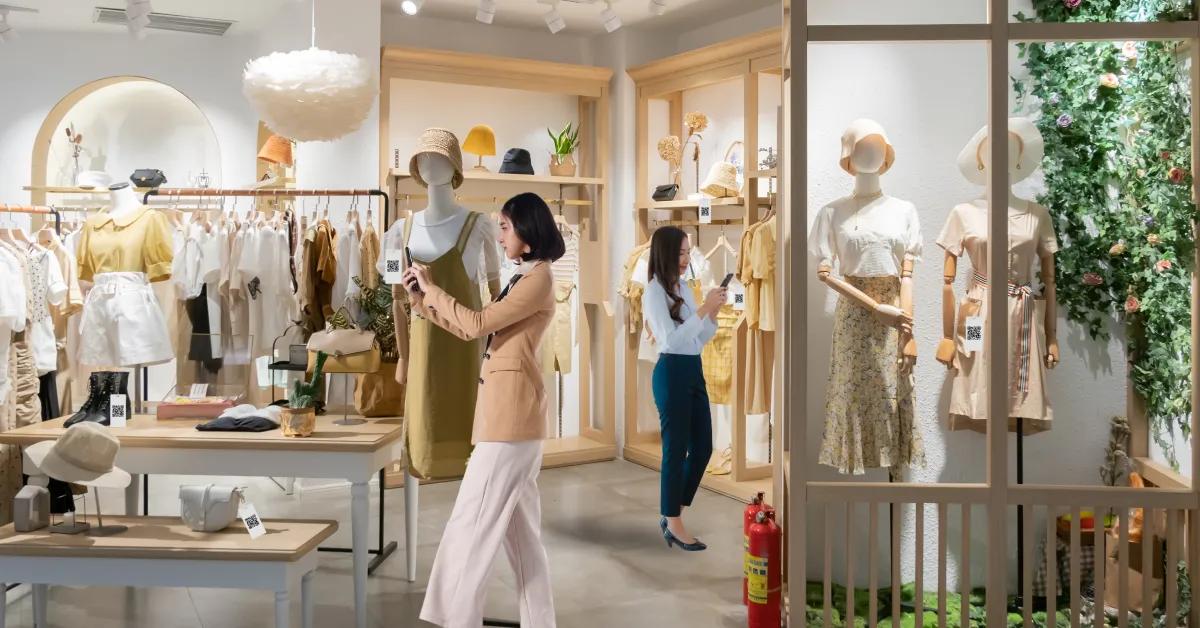
Boutique retail has transformed significantly in recent years, shifting from simple product display toward immersive storytelling experiences that shape how customers connect with brands. Unlike large-scale retail chains that rely on volume and visibility, boutiques often succeed by building emotional resonance. Their strength lies not only in what they sell but in the narrative environment they create around each product.
Storytelling in boutique retail influences how customers perceive authenticity, value craftsmanship, and justify purchase decisions. As consumer expectations continue evolving toward personalization and meaning-driven shopping, boutique storytelling has become a powerful strategy that shapes loyalty and drives conversions.
Understanding Boutique Storytelling in Retail Context
Boutique storytelling refers to the deliberate use of narrative elements within a retail environment to communicate brand identity, origin, purpose, and emotional relevance. These narratives can appear through store design, product presentation, staff interactions, packaging, and digital communication channels.
Rather than presenting items as isolated commodities, boutiques frame them as part of a larger story. This approach transforms shopping into a meaningful experience rather than a transactional exchange.
Boutique storytelling commonly highlights:
- Founder inspiration and brand journey
- Craftsmanship and production processes
- Cultural influences behind product design
- Ethical sourcing practices
- Local community connections
These narrative layers help customers feel that they are participating in something distinctive and intentional.
Emotional Connection as a Purchase Catalyst
One of the strongest reasons boutique storytelling drives purchase decisions is its ability to create emotional engagement. Customers rarely make choices based purely on price or function when shopping in boutique environments. Instead, they respond to meaning and identity alignment.
Storytelling encourages emotional investment by:
- Helping customers understand the purpose behind products
- Making purchases feel personal rather than routine
- Creating a sense of belonging within a brand community
- Reinforcing values shared between customer and retailer
When shoppers feel emotionally connected, they are more likely to complete purchases and return in the future.
Authenticity Builds Trust and Confidence
Authenticity plays a central role in boutique storytelling effectiveness. Independent retailers often emphasize transparency and originality, which helps distinguish them from mass-market competitors.
Customers increasingly seek reassurance that products reflect genuine creativity rather than imitation. Boutique storytelling supports this trust by communicating:
- Who designed the product
- Where materials originated
- How items were produced
- Why certain design choices were made
This transparency strengthens confidence in purchasing decisions and reduces hesitation during the buying process.
Personalization Enhances the Shopping Experience
Boutique environments naturally support personalized storytelling. Unlike large retail chains, smaller stores can tailor communication strategies to reflect customer preferences and interests more closely.
Personalization appears through:
- Staff conversations that explain product narratives
- Curated displays reflecting seasonal themes
- Limited-edition collections with unique stories
- Packaging that reinforces brand identity
When storytelling feels individualized rather than generic, customers experience stronger emotional satisfaction with their purchases.
The Role of Visual Merchandising in Narrative Communication
Visual merchandising serves as one of the most effective storytelling tools available to boutique retailers. Every detail inside a boutique contributes to shaping customer perception.
Narrative-driven visual merchandising often includes:
- Thematic window displays introducing collection concepts
- Material textures that reflect brand values
- Lighting that supports mood-based storytelling
- Layout arrangements guiding customer movement through the store
These visual cues create an environment where customers interpret meaning without needing explicit explanations.
A thoughtfully designed retail space communicates brand identity before customers even interact with products directly.
Founder Stories Strengthen Brand Identity
Customers frequently respond strongly to founder-led storytelling. Learning about the motivations behind a boutique helps transform anonymous products into meaningful creations.
Founder narratives often emphasize:
- Personal creative journeys
- Inspiration drawn from travel or heritage
- Challenges faced during brand development
- Commitment to craftsmanship or sustainability
These stories humanize the retail experience and make customers feel connected to real individuals rather than abstract companies.
As a result, purchases become expressions of support rather than simple transactions.
Scarcity and Exclusivity Increase Perceived Value
Boutiques often rely on limited production runs or curated inventory selections. Storytelling reinforces the perception that products are special and not widely available elsewhere.
Narratives around exclusivity may include:
- Limited seasonal collections
- Handmade production timelines
- Artist collaborations
- Regionally sourced materials
Scarcity combined with storytelling encourages customers to act quickly before opportunities disappear. This urgency plays a significant role in purchase decision-making.
Cultural Narratives Add Depth to Product Meaning
Boutiques frequently highlight cultural influences behind their products. These narratives enrich the customer experience by connecting garments, accessories, or home goods to traditions and creative histories.
Cultural storytelling enhances purchases by:
- Adding symbolic meaning to design elements
- Highlighting heritage craftsmanship techniques
- Connecting customers to global creative communities
- Encouraging appreciation for artistic diversity
When customers understand cultural context, they perceive products as more valuable and memorable.
Sustainability Stories Influence Modern Buyers
Sustainability has become an important factor shaping contemporary retail behavior. Boutique storytelling helps customers understand environmental and ethical commitments associated with their purchases.
Sustainability-focused narratives often include:
- Responsible material sourcing
- Low-impact production processes
- Support for artisan communities
- Waste reduction strategies
These stories help customers feel confident that their purchasing choices align with personal values.
Value-based storytelling strengthens long-term loyalty rather than encouraging one-time purchases.
Community Connection Encourages Repeat Visits
Boutiques frequently position themselves as neighborhood creative spaces rather than purely commercial environments. Storytelling strengthens this connection by presenting the store as part of a larger cultural ecosystem.
Community-focused storytelling may involve:
- Collaborations with local artists
- Participation in neighborhood events
- Workshops hosted inside retail spaces
- Partnerships with nearby small businesses
Customers who feel connected to a boutique’s community presence are more likely to return regularly and recommend the store to others.
Sensory Experiences Reinforce Narrative Memory
Boutique storytelling extends beyond visual communication. Sensory elements play a powerful role in shaping how customers remember retail environments.
Sensory storytelling includes:
- Music reflecting brand personality
- Signature scents associated with store identity
- Textural materials reinforcing craftsmanship themes
- Packaging that extends the narrative beyond the purchase moment
These experiences create lasting impressions that influence future purchasing behavior.
When customers remember how a boutique made them feel, they are more likely to revisit it.
Digital Storytelling Extends Boutique Reach
While boutiques often emphasize physical environments, digital storytelling has become equally important. Social media platforms allow retailers to share narratives that reach customers before they enter the store.
Effective digital storytelling strategies include:
- Behind-the-scenes production content
- Interviews with designers or artisans
- Styling demonstrations highlighting versatility
- Customer stories featuring real-life product use
Digital engagement strengthens familiarity with the brand and prepares customers to make confident purchase decisions during in-store visits.
Storytelling Reduces Price Sensitivity
One of the most significant impacts of boutique storytelling is its ability to shift how customers evaluate price. When shoppers understand the narrative behind a product, they often focus less on cost comparisons and more on perceived meaning.
Storytelling reduces price sensitivity by:
- Emphasizing craftsmanship value
- Highlighting production effort
- Communicating uniqueness
- Strengthening emotional attachment
Customers become willing to invest more when they recognize the story behind what they are buying.
Building Long-Term Loyalty Through Narrative Identity
Boutique storytelling does more than encourage immediate purchases. It shapes long-term relationships between customers and brands.
Narrative identity encourages loyalty by:
- Creating recognizable brand personality
- Reinforcing consistent messaging across experiences
- Encouraging repeat emotional engagement
- Supporting community participation
Over time, storytelling transforms boutiques into trusted destinations rather than occasional shopping stops.
Customers return not only for products but for the experience the boutique represents.
Frequently Asked Questions
How does boutique storytelling differ from traditional retail advertising?
Boutique storytelling focuses on emotional connection and authenticity rather than promotional messaging centered primarily on discounts or product features.
Can storytelling improve sales even in small retail spaces?
Yes. Even compact boutiques can use visual displays, packaging, and staff interaction to communicate strong narratives that influence purchase behavior.
What role does packaging play in boutique storytelling?
Packaging extends the retail experience beyond the store by reinforcing brand identity and reminding customers of the story connected to their purchase.
Do customers consciously notice storytelling elements while shopping?
Often they respond subconsciously. Environmental cues, layout decisions, and narrative messaging shape perception even when customers are not actively analyzing them.
How can new boutique owners begin developing a storytelling strategy?
They can start by defining brand values, identifying product origins, and designing store environments that reflect those themes consistently.
Is storytelling equally effective for online boutique stores?
Yes. Digital platforms allow boutiques to share production stories, design inspiration, and customer experiences that influence purchase decisions remotely.
How does storytelling influence gift purchases in boutique settings?
Customers often select gifts from boutiques because narrative-driven products feel more meaningful and personal than mass-produced alternatives.
