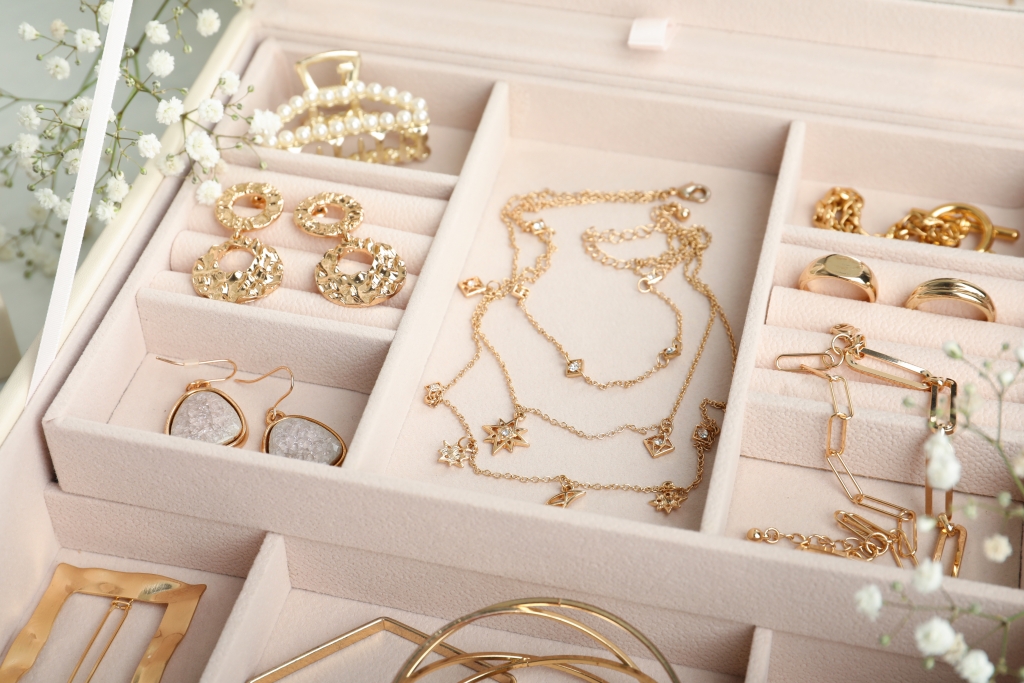
Modern jewelry collections increasingly reflect a renewed interest in heritage motifs as designers seek deeper connections between craftsmanship, identity, and storytelling. Rather than treating jewelry purely as ornamentation, contemporary creators use cultural references, symbolic patterns, and historical techniques to produce pieces that carry meaning across generations.
Heritage motifs function as visual bridges between past traditions and present aesthetics. When incorporated thoughtfully into modern jewelry design, they enrich collections with narrative depth, authenticity, and cultural continuity while remaining relevant to contemporary lifestyles.
Understanding Heritage Motifs in Jewelry Design
Heritage motifs refer to decorative elements derived from historical, regional, or cultural traditions that hold symbolic or aesthetic significance. These motifs often originate from architecture, textiles, ceremonial objects, folklore, or natural environments associated with specific communities.
In modern jewelry collections, heritage motifs may appear through:
- engraved surface patterns inspired by historical ornamentation
- symbolic geometric arrangements reflecting cultural cosmology
- floral and botanical imagery rooted in regional ecosystems
- architectural references translated into wearable scale
- protective symbols historically associated with well-being
Designers adapt these elements to create jewelry that resonates with both tradition and innovation.
Heritage motifs allow jewelry to communicate identity beyond visual appeal alone.
The Historical Importance of Symbolism in Jewelry
Throughout history, jewelry has functioned as a carrier of meaning as much as decoration. Many traditional societies used jewelry to express social status, spirituality, family lineage, and community belonging.
Examples of symbolic functions historically associated with jewelry include:
- protective amulets representing spiritual security
- ceremonial ornaments marking life transitions
- geometric motifs representing cosmic balance
- engraved metals reflecting regional craftsmanship traditions
Modern designers continue drawing inspiration from these symbolic systems while adapting them for contemporary wearability.
This continuity ensures that heritage-inspired jewelry remains culturally relevant rather than purely nostalgic.
Translating Traditional Motifs into Contemporary Forms
One of the defining features of modern jewelry collections is the reinterpretation of heritage motifs through simplified forms and updated materials. Designers rarely replicate historical objects exactly. Instead, they translate visual language into new structural expressions.
This process often includes:
- scaling large ceremonial motifs into wearable proportions
- simplifying complex patterns into refined outlines
- combining traditional engraving with modern finishing techniques
- integrating heritage elements into minimalist silhouettes
These strategies allow heritage motifs to function naturally within contemporary wardrobes.
Adaptation ensures that tradition evolves alongside modern design expectations.
Regional Identity as Creative Inspiration
Jewelry designers frequently explore regional identities through motif selection. Landscapes, architecture, and cultural practices often influence pattern development and material choice.
Regional inspiration may appear through:
- wave patterns reflecting coastal environments
- mountain-inspired angular forms
- desert-toned gemstone palettes
- botanical motifs representing local plant life
These elements transform jewelry into visual expressions of place.
For many designers, regional storytelling strengthens emotional connections between wearer and object.
Revival of Traditional Craft Techniques
Heritage motifs often rely on specialized craftsmanship methods passed down through generations. Modern jewelry collections increasingly emphasize these techniques as part of their design identity.
Common heritage-based techniques include:
- hand engraving reflecting historical metalworking traditions
- filigree construction using delicate wire structures
- repoussé surface shaping techniques
- stone-setting approaches unique to specific regions
Reviving these techniques supports artisan communities while preserving valuable technical knowledge.
Craft continuity strengthens the authenticity of heritage-inspired jewelry collections.
Cultural Narratives and Identity Expression
Jewelry frequently serves as a medium for expressing personal and collective identity. Heritage motifs help wearers connect with cultural histories while participating in contemporary fashion contexts.
Identity-driven jewelry design may reflect:
- ancestral symbolism representing lineage
- traditional patterns associated with community belonging
- migration stories expressed through hybrid motif combinations
- reinterpretations of ceremonial ornamentation for everyday wear
These narrative layers transform jewelry into meaningful extensions of personal history.
As identity awareness grows globally, heritage-inspired jewelry continues gaining importance.
Minimalism and Heritage Motif Integration
Modern jewelry collections often integrate heritage motifs within minimalist frameworks. This approach balances historical richness with contemporary design clarity.
Minimalist reinterpretation may involve:
- single-symbol pendants with strong cultural references
- simplified geometric engravings derived from traditional patterns
- subtle texture variations inspired by heritage textiles
- restrained gemstone placement emphasizing symbolic meaning
This strategy allows heritage motifs to remain visible without overwhelming the overall design composition.
Minimalist adaptation supports versatility across different styling contexts.
Material Selection Reflecting Cultural Legacy
Materials play a significant role in communicating heritage within jewelry design. Many traditional motifs developed alongside specific metalworking or gemstone traditions tied to regional resources.
Contemporary designers often choose materials that reinforce narrative authenticity, such as:
- gold alloys historically associated with ceremonial ornamentation
- silver reflecting regional craftsmanship traditions
- semi-precious stones linked to symbolic meanings
- natural materials connected to ecological heritage
Material selection strengthens the storytelling capacity of jewelry pieces.
It also reinforces connections between design and environment.
Globalization and Cross-Cultural Motif Exchange
Globalization has expanded opportunities for designers to explore heritage motifs beyond their immediate cultural surroundings. While this exchange encourages creative dialogue, it also requires thoughtful interpretation.
Responsible cross-cultural design involves:
- understanding symbolic meanings before adaptation
- collaborating with artisans connected to motif traditions
- acknowledging the cultural origins of design inspiration
- avoiding oversimplification of complex visual languages
When approached respectfully, cross-cultural motif exchange enriches modern jewelry collections with diverse perspectives.
Designers who engage thoughtfully with heritage traditions contribute to broader cultural appreciation.
Technology Supporting Heritage Preservation
Digital innovation has transformed how heritage motifs are documented and integrated into jewelry collections. Designers now have access to tools that allow detailed preservation and reinterpretation of historical patterns.
Technology supports heritage-inspired jewelry design through:
- digital pattern archiving
- laser engraving precision techniques
- 3D modeling for structural experimentation
- virtual prototyping that reduces material waste
These tools help ensure that heritage motifs remain adaptable to contemporary production methods.
Technology enables tradition to evolve without losing its visual integrity.
Sustainability and Heritage Jewelry Practices
Heritage-inspired jewelry often aligns naturally with sustainability principles because many traditional techniques emphasize longevity and responsible resource use.
Sustainable advantages include:
- handcrafted production methods that reduce industrial waste
- durable materials designed for generational wear
- repairable construction techniques
- smaller production batches supporting ethical sourcing
Consumers increasingly value jewelry that reflects both cultural meaning and environmental awareness.
Heritage motifs strengthen this connection by emphasizing continuity rather than disposability.
The Role of Storytelling in Modern Jewelry Branding
Brand storytelling has become central to contemporary jewelry collections featuring heritage motifs. Designers frequently share narratives that explain the origins and meanings behind their patterns.
Storytelling strategies often include:
- documenting motif histories within collection descriptions
- highlighting artisan collaboration processes
- explaining symbolic meanings associated with design elements
- presenting regional inspiration through visual campaigns
These narratives help customers understand the cultural depth behind their purchases.
Storytelling transforms jewelry into objects of connection rather than simple accessories.
The Future of Heritage Motifs in Jewelry Collections
Heritage motifs will likely continue shaping modern jewelry design as consumers seek authenticity and meaningful craftsmanship. Designers are exploring new ways to balance innovation with tradition while maintaining respect for cultural origins.
Future developments may include:
- digitally customizable heritage-inspired jewelry pieces
- collaborative collections linking multiple artisan communities
- interactive storytelling platforms connected to jewelry ownership
- expanded archival research supporting motif preservation
These possibilities suggest that heritage motifs will remain central to jewelry design innovation for years to come.
As modern audiences continue valuing narrative-driven objects, heritage-inspired jewelry collections will play an important role in shaping the future of wearable design.
Frequently Asked Questions
How do heritage motifs influence jewelry collectors’ purchasing decisions?
Collectors often choose heritage-inspired jewelry because it offers cultural depth, craftsmanship authenticity, and long-term emotional significance beyond visual appeal.
Can heritage motifs be adapted for everyday jewelry rather than ceremonial use?
Yes. Designers frequently scale and simplify traditional motifs to create pieces suitable for daily wear while preserving symbolic meaning.
Are heritage-inspired jewelry collections popular among younger audiences?
Many younger consumers appreciate heritage motifs because they offer identity connection, storytelling value, and alternatives to mass-produced accessories.
How do museums contribute to preserving heritage jewelry motifs?
Museums document historical ornamentation techniques, archive pattern references, and provide research resources that support contemporary design reinterpretation.
What challenges do designers face when working with heritage motifs?
Designers must balance innovation with authenticity while ensuring respectful interpretation and accurate cultural understanding.
Can heritage motifs be combined with modern gemstones and materials?
Yes. Many contemporary collections integrate traditional patterns with new materials to create hybrid designs that reflect both past and present influences.
Why do heritage-inspired jewelry pieces often become heirloom objects?
Because they carry symbolic meaning and durable craftsmanship, heritage-inspired jewelry pieces are often passed across generations as markers of continuity and identity.
